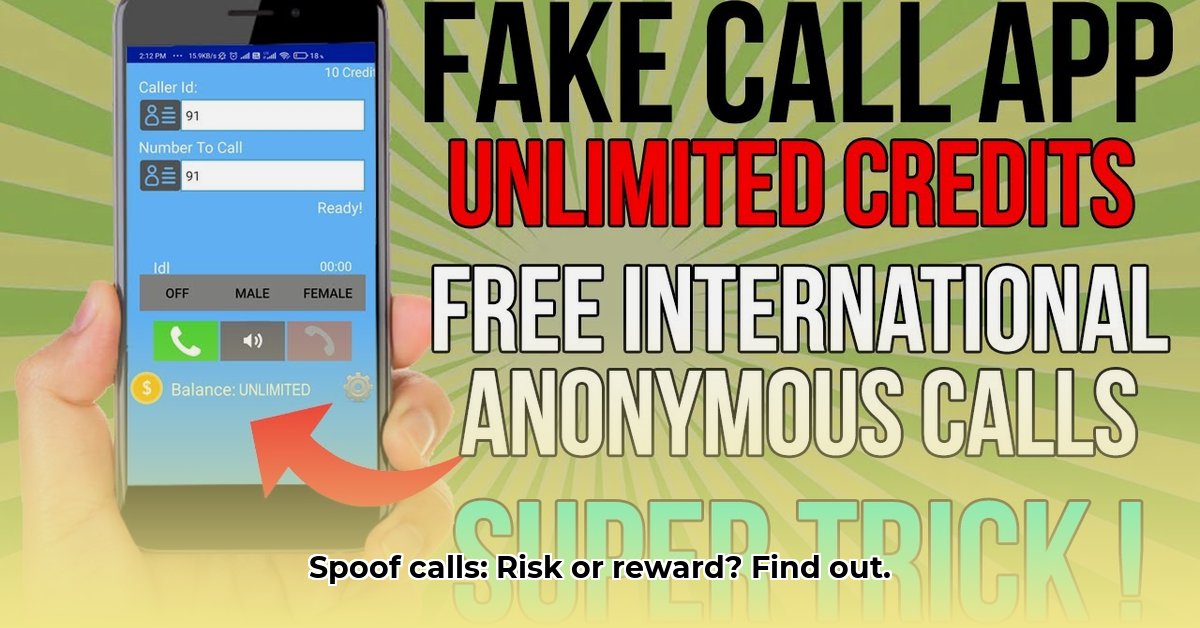
Call spoofing apps, allowing users to change the displayed caller ID, are increasingly prevalent. This dual-natured technology offers potential benefits but harbors significant risks. Understanding these nuances is crucial for safe and responsible use. This guide explores the various types of spoofing apps, their legitimate and illegitimate applications, the legal complexities involved, and the shared responsibility in mitigating associated risks.
Understanding Call Spoofing Apps: Types and Functionality
Call spoofing apps aren't monolithic; their functionality varies considerably. Some provide temporary or "burner" numbers, ideal for maintaining privacy when using online services or separating personal and professional calls. Others enable direct spoofing, letting users display any number they choose. Finally, some apps include voice modification, adding another layer of anonymity. The wide array of options, coupled with varying degrees of sophistication, contributes to the technology's complexity and potential for misuse.
The Fine Line: Legitimate vs. Illegitimate Use
Legitimate uses of spoofing apps often involve protecting privacy during international calls or using a dedicated number for business communications. This allows individuals and businesses to separate personal and professional contacts, enhancing security and order.
However, the same technology easily facilitates malicious activities. Fraudsters can spoof legitimate business numbers to trick victims into revealing sensitive information. Harassment and intimidation become easier with the ability to mask one's true identity. Identity theft is also significantly simplified when combined with other features like voice modification. The ethical line between legitimate and illegitimate use is razor-thin, requiring careful consideration before using any such app. Is the benefit of anonymity worth the risk of potential harm?
Legal and Ethical Considerations: Navigating a Complex Landscape
The legal landscape surrounding call spoofing is complex and inconsistent across jurisdictions. While some regions might permit spoofing for specific purposes (e.g., law enforcement), many prohibit it outright, especially when used for fraudulent or harassing activities. Penalties can range from significant fines to imprisonment. This inconsistency creates a legal minefield that requires users to thoroughly understand the specific laws of their region and the potential implications of their actions.
Risk Assessment: Weighing the Odds
This table summarizes the risks associated with different call spoofing app features:
| Technology/Action | Likelihood of Malicious Use | Impact of Malicious Use | Mitigation Strategy |
|---|---|---|---|
| Spoofing Apps (General) | High | High (fraud, harassment, theft) | Stricter regulations, improved detection technology |
| Voice Changing Features | Medium | Medium (increased deception) | User education, potential restrictions on access |
| Call Recording Features | Medium | Medium (privacy violation) | Clear user consent protocols, legal compliance checks |
| Anonymous Number Services | High | High (anonymity for illegal acts) | Enhanced verification and reporting mechanisms |
Shared Responsibility: A Multifaceted Approach
Mitigating the risks associated with call spoofing apps requires a multi-faceted approach. App developers must prioritize security features and proactively monitor their platforms. App stores should implement stricter vetting processes to identify and remove dangerous applications. Users must understand the legal and ethical implications before using any call spoofing app. And finally, law enforcement agencies must be equipped to effectively investigate and prosecute abusers. Shared responsibility is crucial for effective risk mitigation.
Conclusion: A Call for Responsible Use and Stricter Regulation
The increasing prevalence of call spoofing apps highlights the urgent need for responsible app development, stricter regulations, user education, and a robust law enforcement response. As technology evolves, so must our approach to managing its ethical and legal challenges. The potential benefits of call spoofing apps must be carefully weighed against their significant risks. A responsible approach is essential to prevent the misuse of this technology.
Disclaimer
This article provides information on call spoofing apps for educational purposes only. It does not endorse or encourage any illegal or unethical activities. Users are urged to comply with all applicable laws and regulations in their jurisdictions.
⭐⭐⭐⭐☆ (4.8)
Download via Link 1
Download via Link 2
Last updated: Friday, May 09, 2025